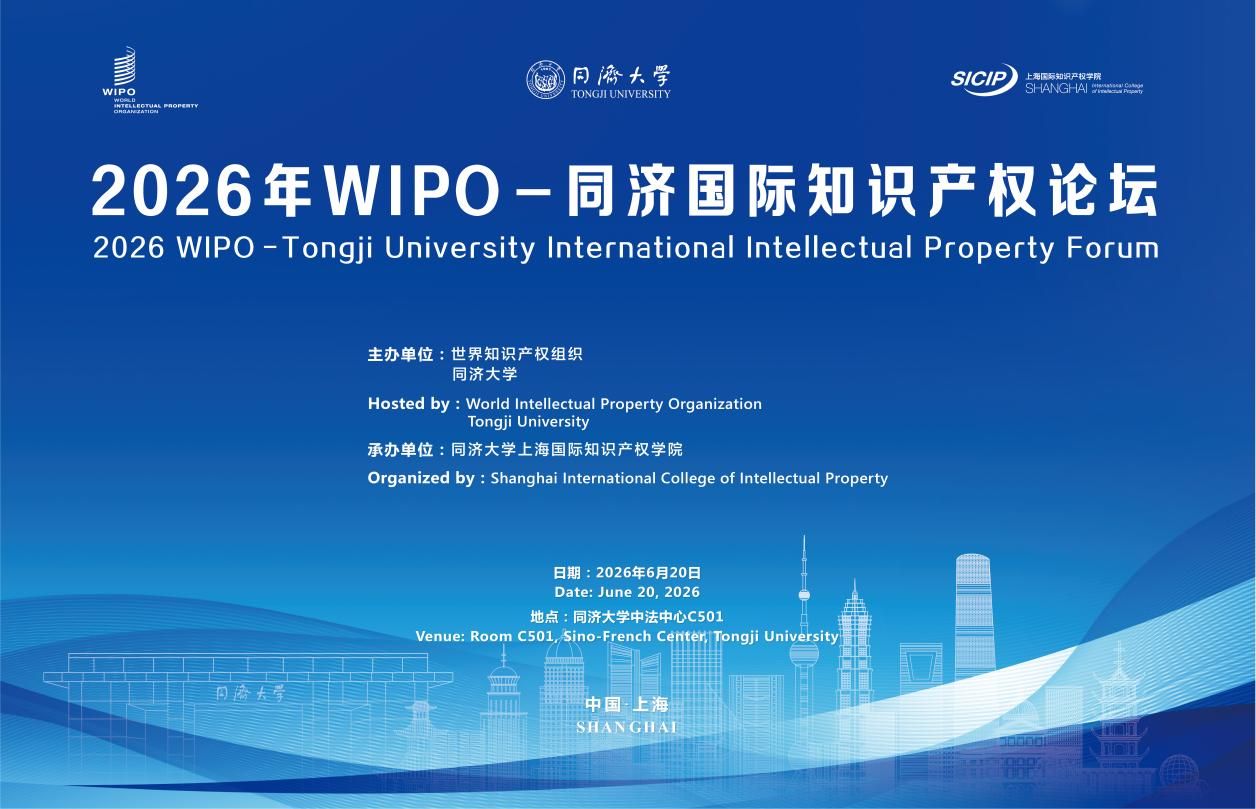
On June 20, 2026, the 9th WIPO-Tongji University International Intellectual Property Forum was held at Tongji University. Co-hosted by the World Intellectual Property Organization (WIPO) and Tongji University and organized by the Shanghai International College of Intellectual Property of Tongji University, the forum centered on the core theme of Intellectual Property Protection in Emerging Fields. It gathered experts from academia, judicial circles and industry across China, the Republic of Korea, the United Kingdom, Singapore and other countries to conduct in-depth discussions on governance challenges arising from artificial intelligence, the digital economy, green technologies and cutting-edge science and technology.
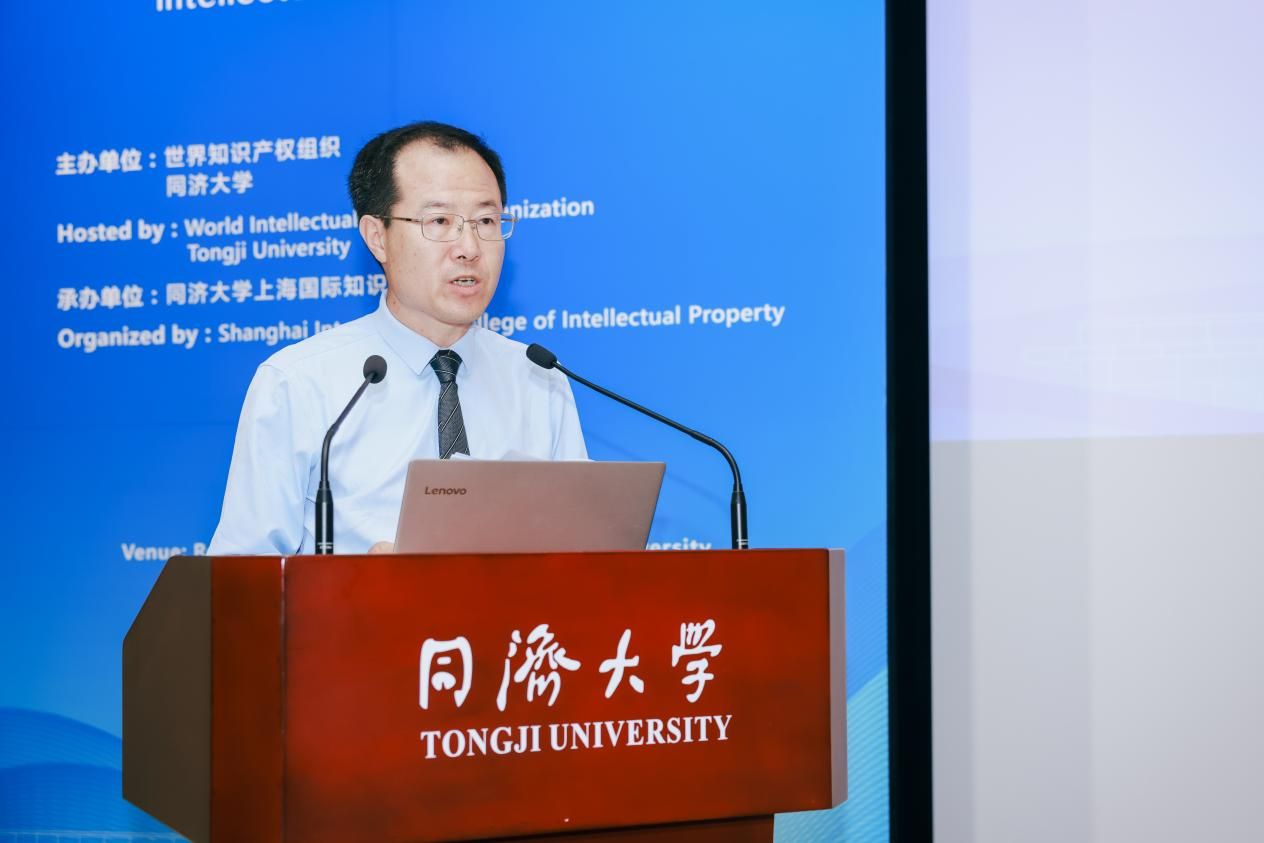
The opening ceremony of the forum was presided over by Professor Cong Lixian, Dean of the Shanghai International College of Intellectual Property, Tongji University. Liu Run, Deputy Party Secretary of Tongji University; Tang Zhen, Presiding Judge of the Intellectual Property Tribunal of Shanghai High People’s Court; and Zheng Zhengen, Vice President of Kangwon National University of the Republic of Korea, attended the opening ceremony and delivered keynote addresses.
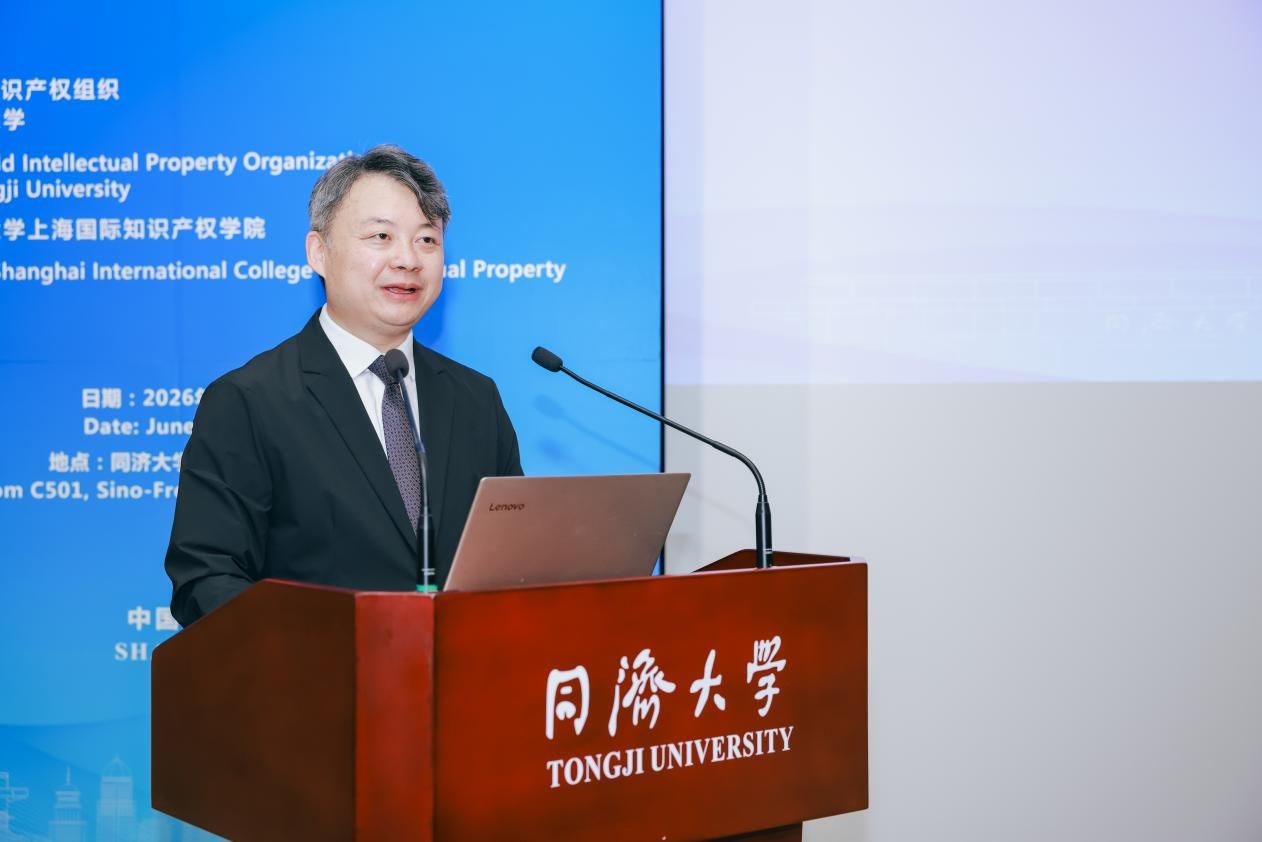
In his speech, Mr. Liu Run stated that cutting-edge technologies represented by artificial intelligence are driving profound shifts in innovation paradigms, and intellectual property issues in emerging fields are practical challenges emerging from frontline innovation, legal practice and market operations.
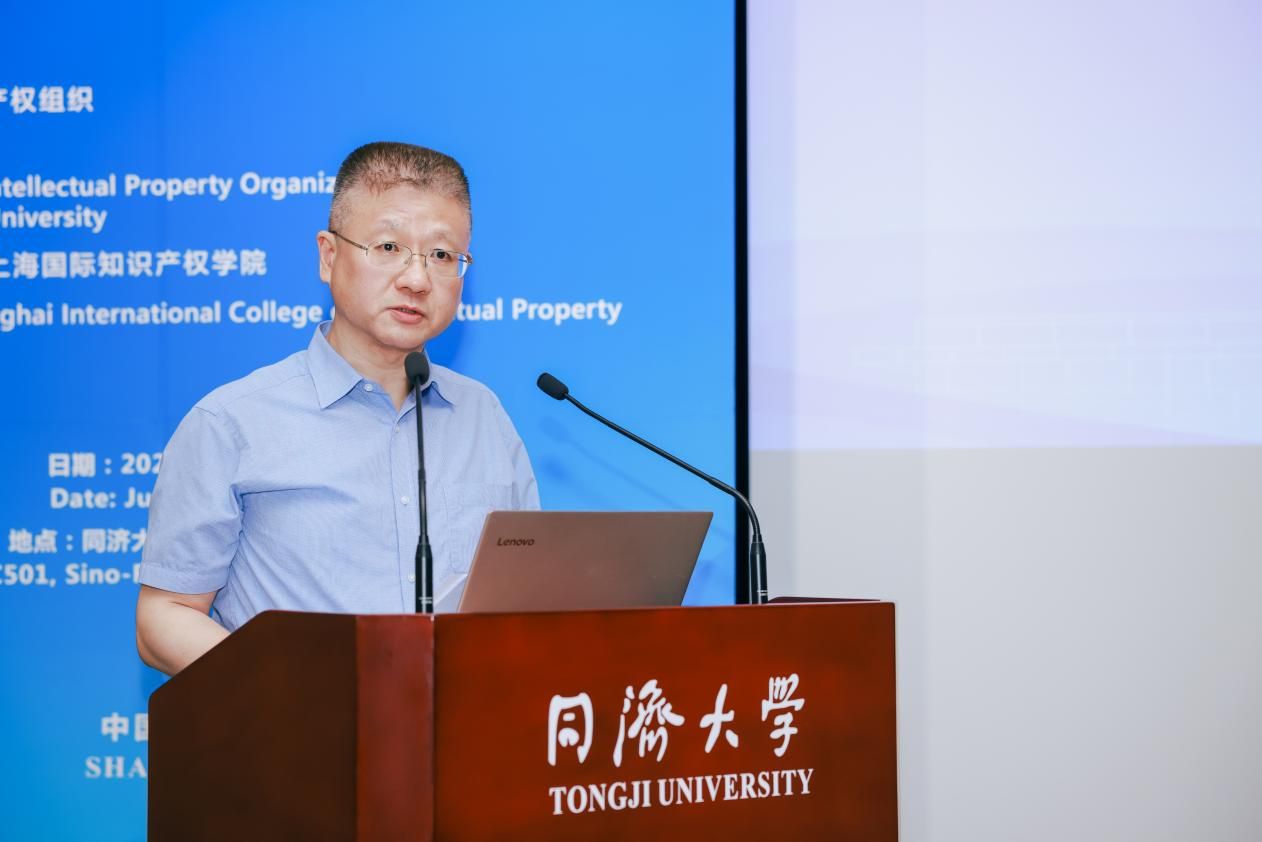
On behalf of the Intellectual Property Tribunal of Shanghai High People’s Court, Mr. Tang Zhen extended congratulations on the successful convening of the forum. He expressed hopes that theoretical research from the forum could empower judicial practice, and that exchanges and cooperation would jointly address intellectual property governance challenges brought by emerging technologies.
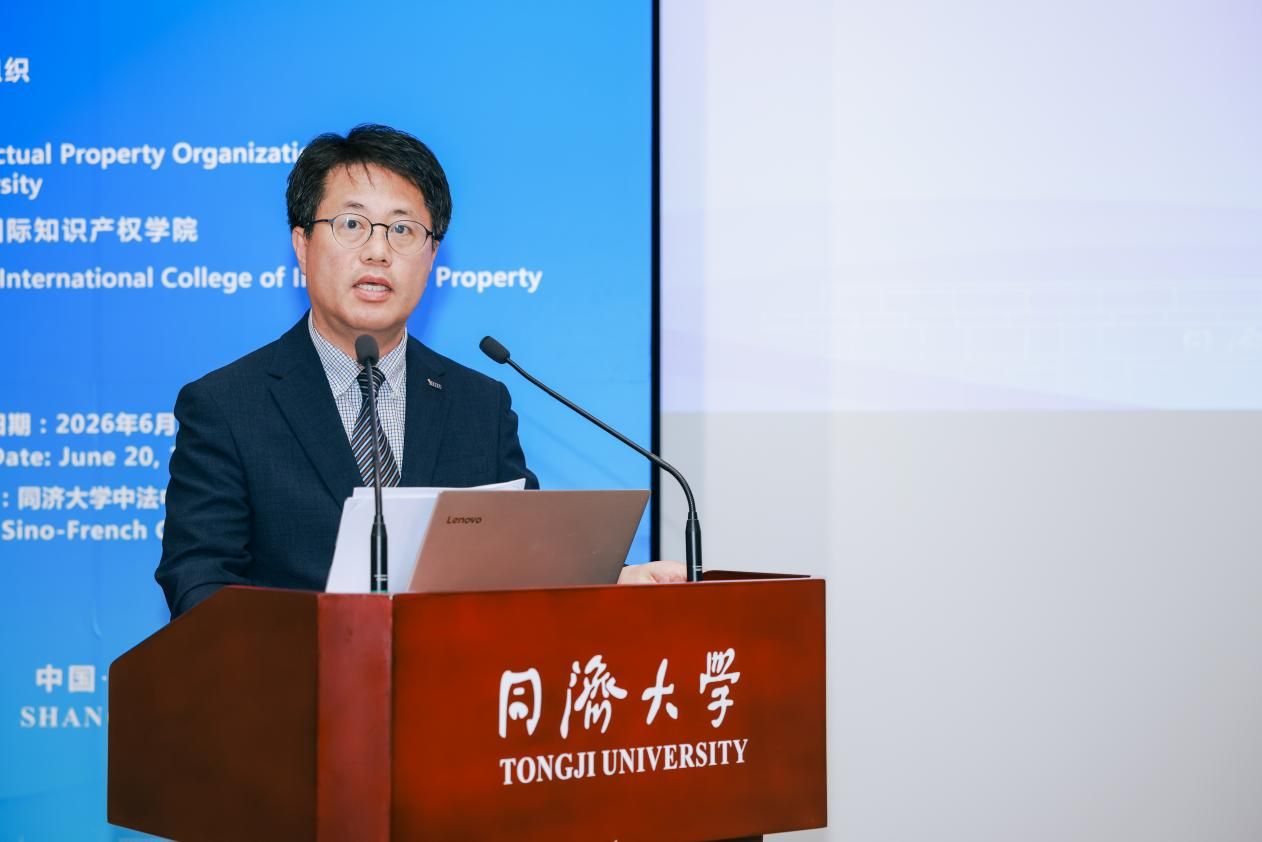
Mr. Zheng Zhengen remarked that the rapid advancement of artificial intelligence, human-computer interaction and green technologies is reshaping global markets and legal systems, continuously disrupting traditional intellectual property legal frameworks and compelling academia to explore brand-new governance rules. He thanked Tongji University for its warm hospitality and wished the forum fruitful and substantial discussions.

During the opening ceremony, Tongji University and Kangwon National University of the Republic of Korea formally signed a China-ROK Intellectual Property Cooperation Agreement. The two sides will deepen collaboration in academic research, talent cultivation and other areas, building a new bridge for coordinated China-ROK intellectual property governance.
Focusing on AI Copyright Governance to Address Core Challenges of Technological Transformation
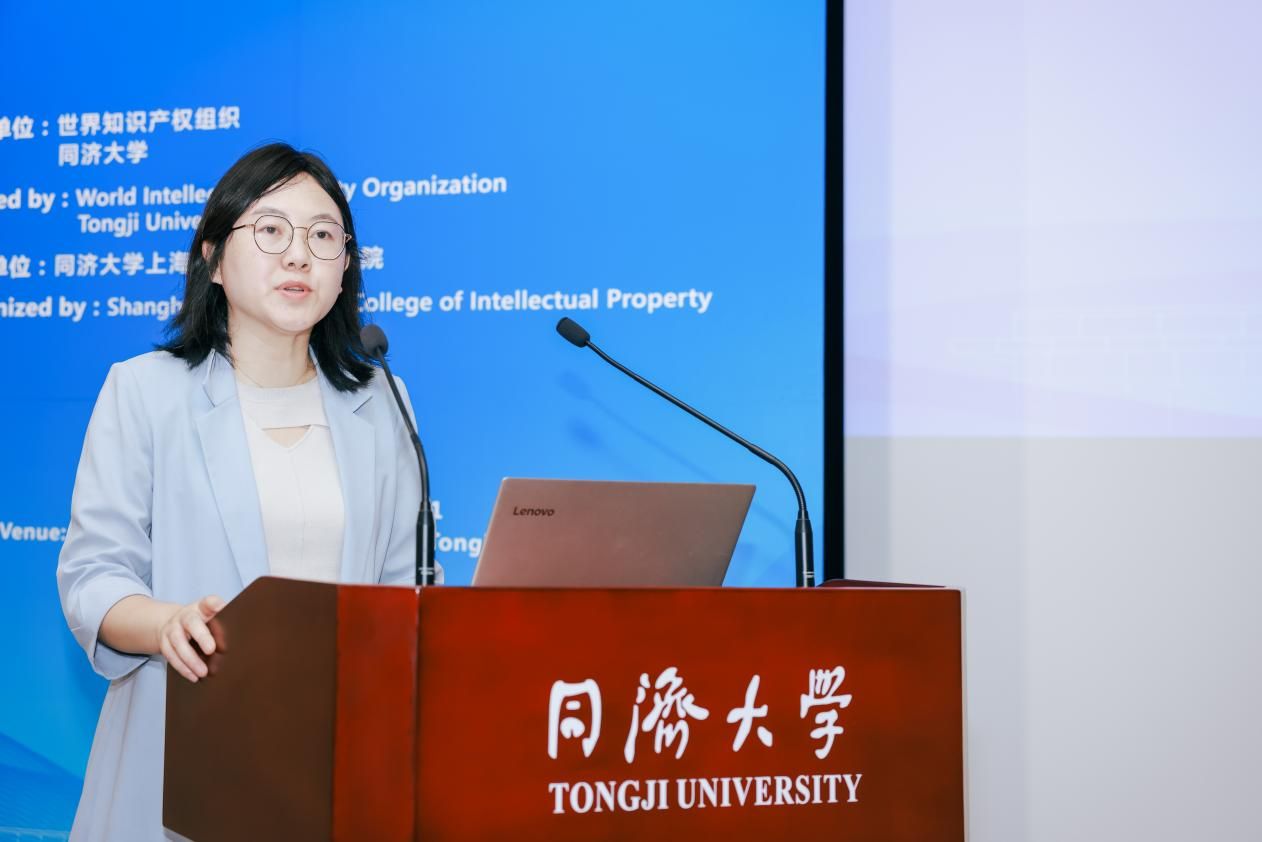
The thematic report session featured two major discussion panels. The first panel, Legal Issues of Copyright for Artificial Intelligence and New Types of Creations, was moderated by Vice Dean Jiang Nan from the Shanghai International College of Intellectual Property. Five Chinese and foreign experts systematically elaborated on core disputes including the identification of AI subjects, compliance of training data, confirmation of ownership of generated content, and risks in judicial application.
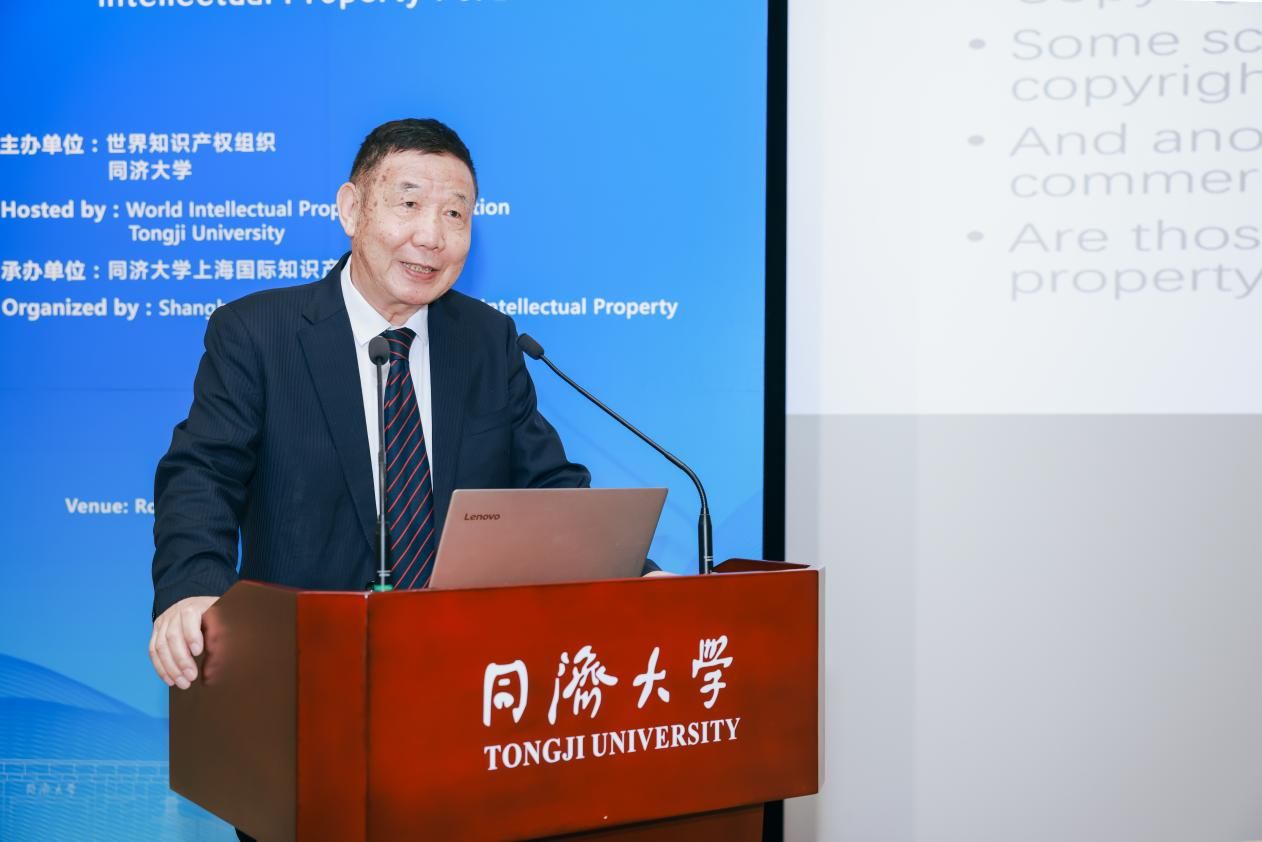
Professor Li Mingde, Honorary Director of the Intellectual Property Center at the Chinese Academy of Social Sciences, delivered a presentation titled Authors, Works and Artificial Intelligence, systematically sorting out the core logic behind the evolution of copyright systems.
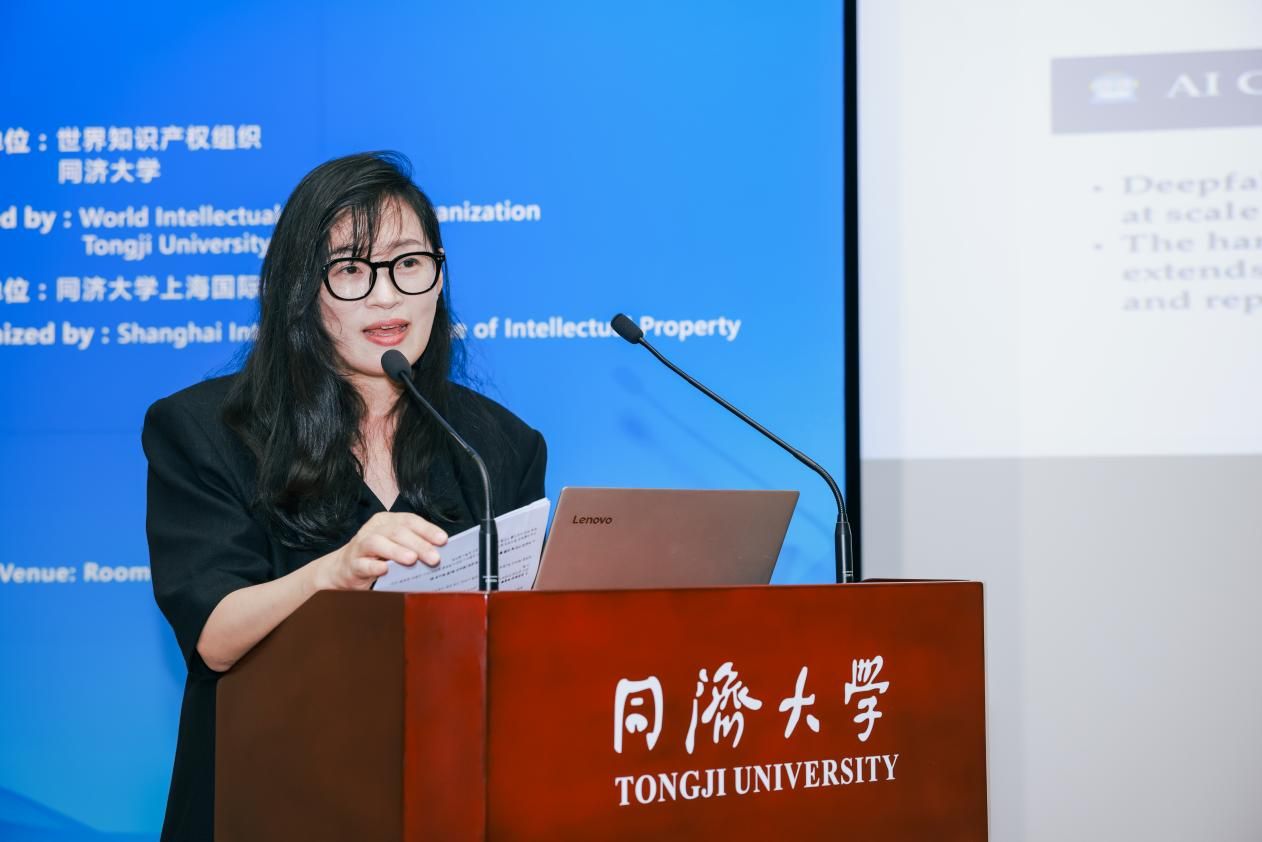
Professor Yusun Park from the Interdisciplinary Department of Data and Intellectual Property at Kangwon National University conducted a comparative legal analysis of intellectual property protection for digital re
Professor Phillip Johnson, Vice Dean of the Dickson Poon School of Law at King’s College London, delivered an online presentation analyzing risks of AI misuse in court proceedings from the perspective of UK judicial practice.
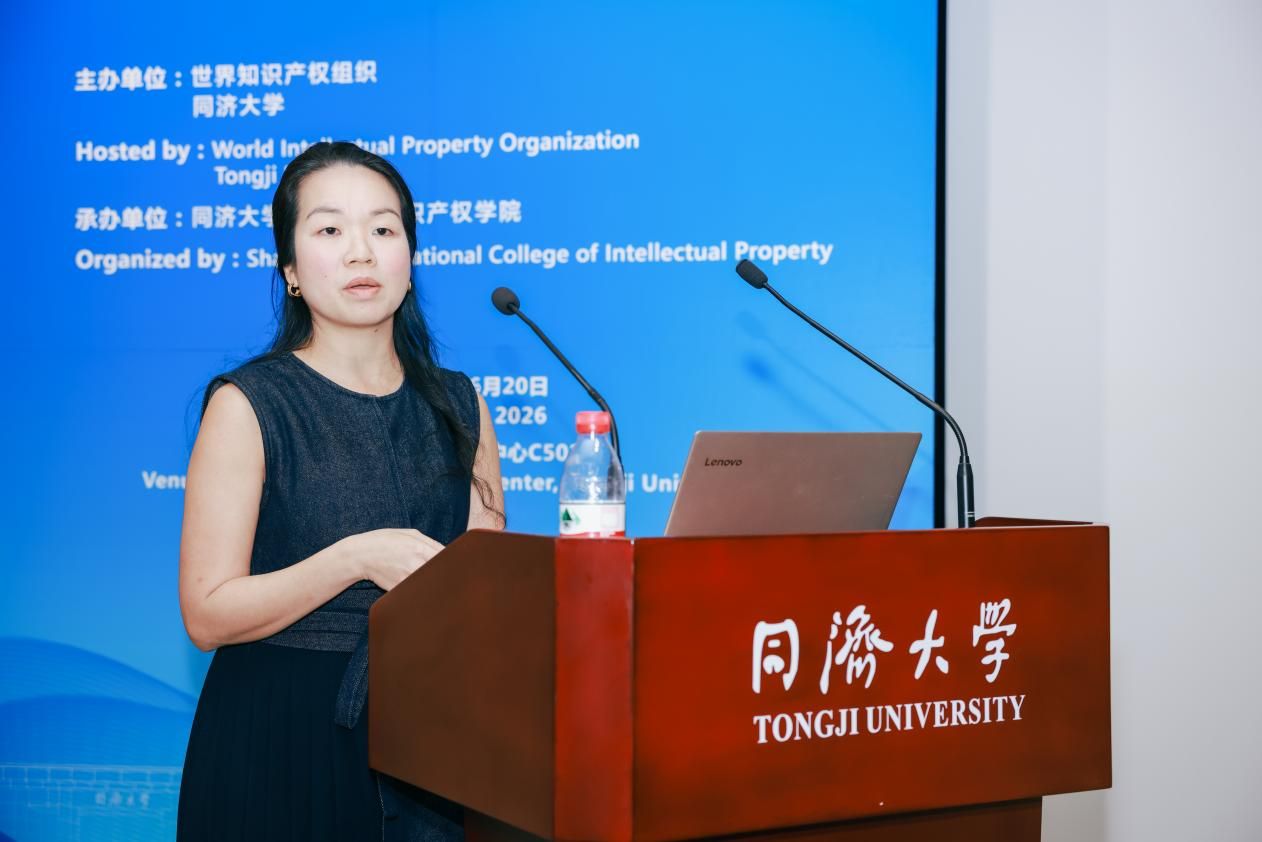
Corinne Tan, Research Fellow at the Technology, Robotics, Artificial Intelligence and Law (TRAIL) Centre at the National University of Singapore, presented a talk titled Copyright Alignment for Agentic AI Systems, interpreting new copyright challenges arising from the evolution of AI from generative models to autonomous agents.
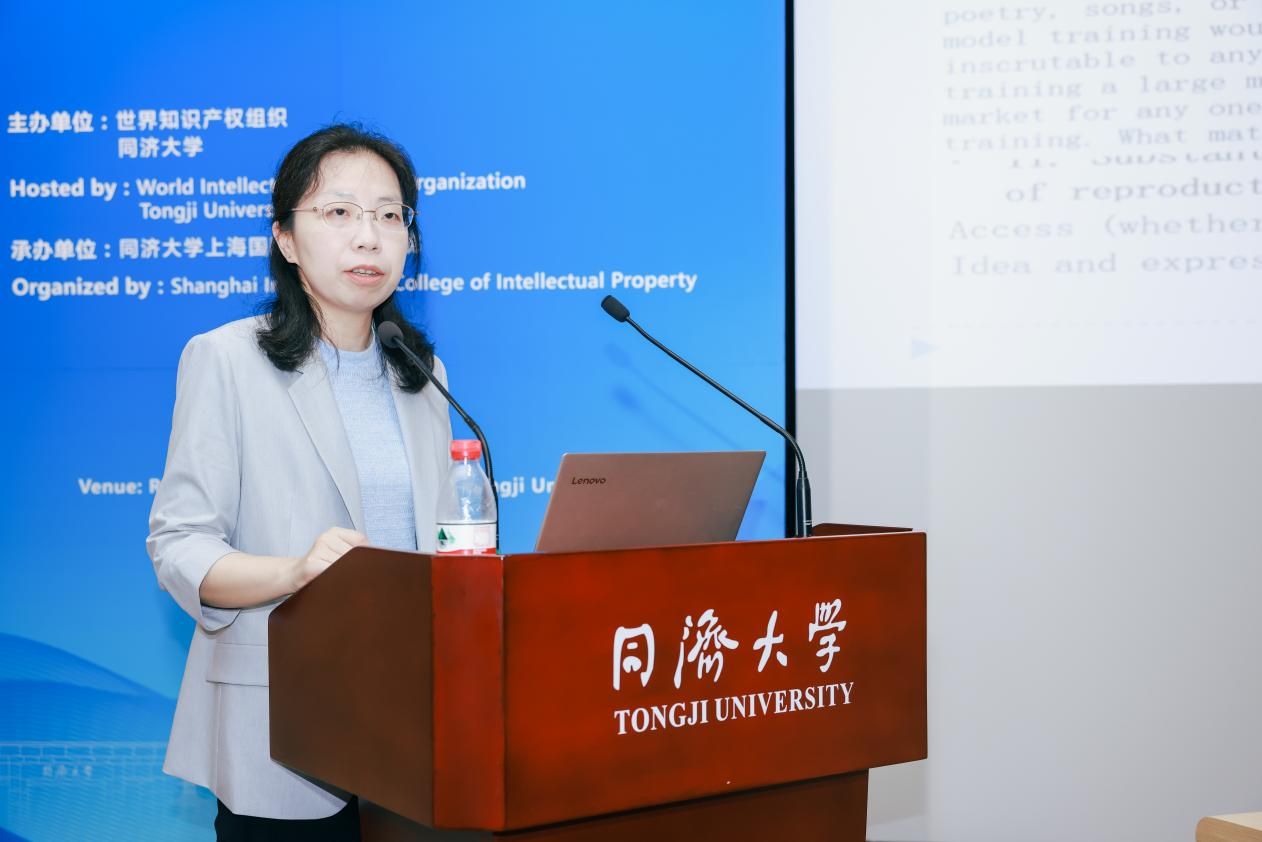
Long-term Associate Professor Hua Jie from the Shanghai International College of Intellectual Property focused on copyright infringement disputes over AI model training, proposing collective licensing as a supplementary mechanism to exceptions for text and data mining (TDM).
Exploring Governance Pathways for Cutting-Edge Technologies Across Diverse Fields
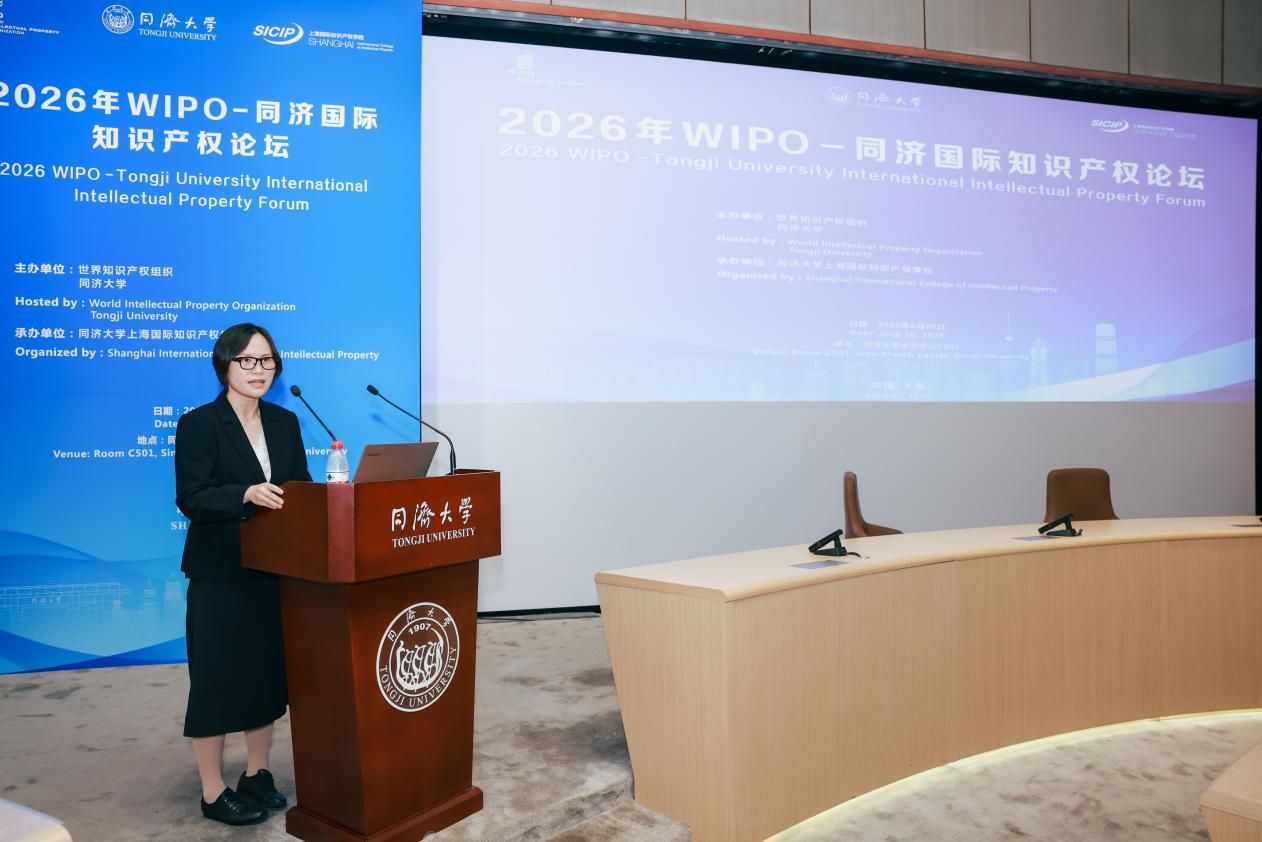
The second panel, Intellectual Property Issues Concerning Green Technology, Biology, Trademarks and Advanced Intelligent Systems, was moderated by Vice Dean Xie Yan from the Shanghai International College of Intellectual Property. Five experts held discussions on cross-cutting topics including malicious trademark governance, plant breeding patent rules, copyright for brain-computer interface outputs, boundaries of embodied intelligence, and incentives for green technology innovation.
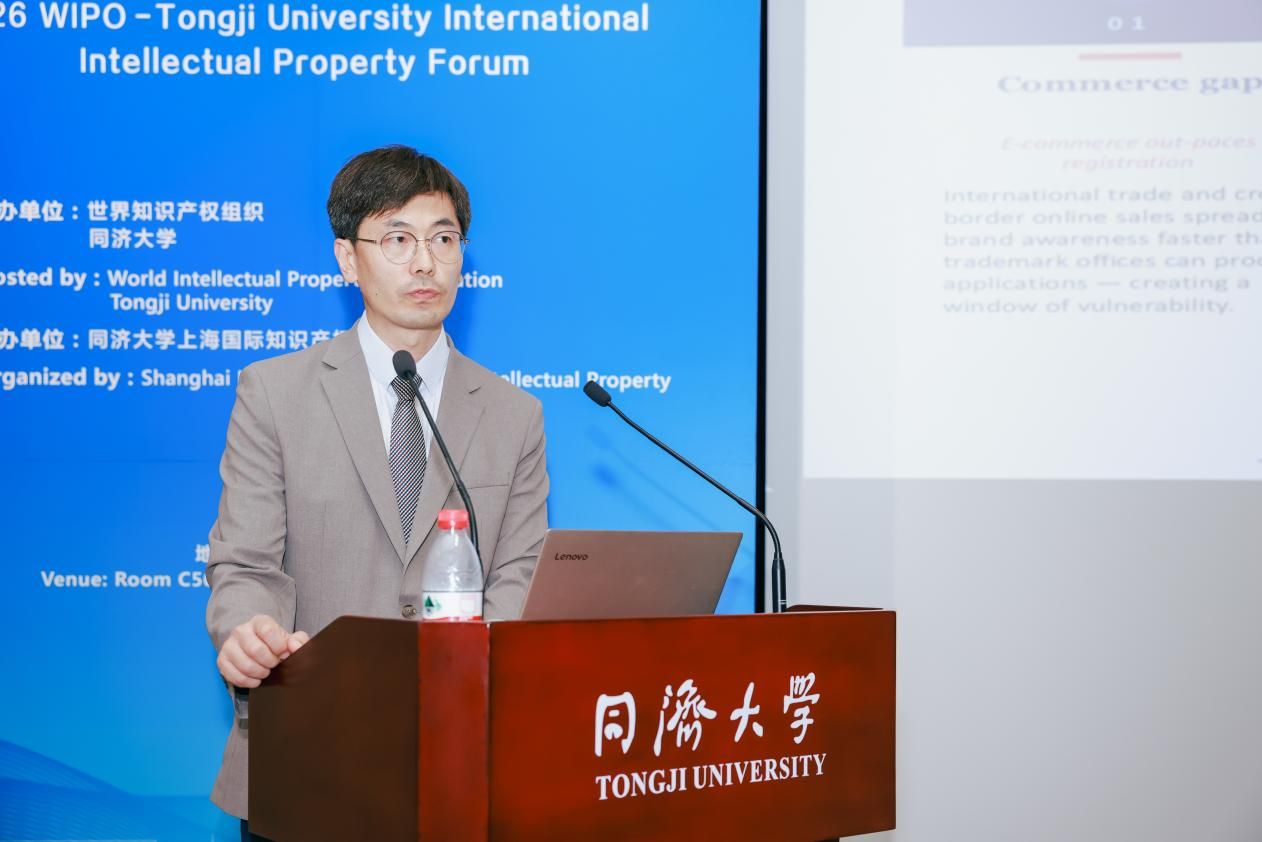
Professor Cho Youngrok from Kangwon National University shared South Korea’s institutional experience in regulating malicious trademark hoarding.
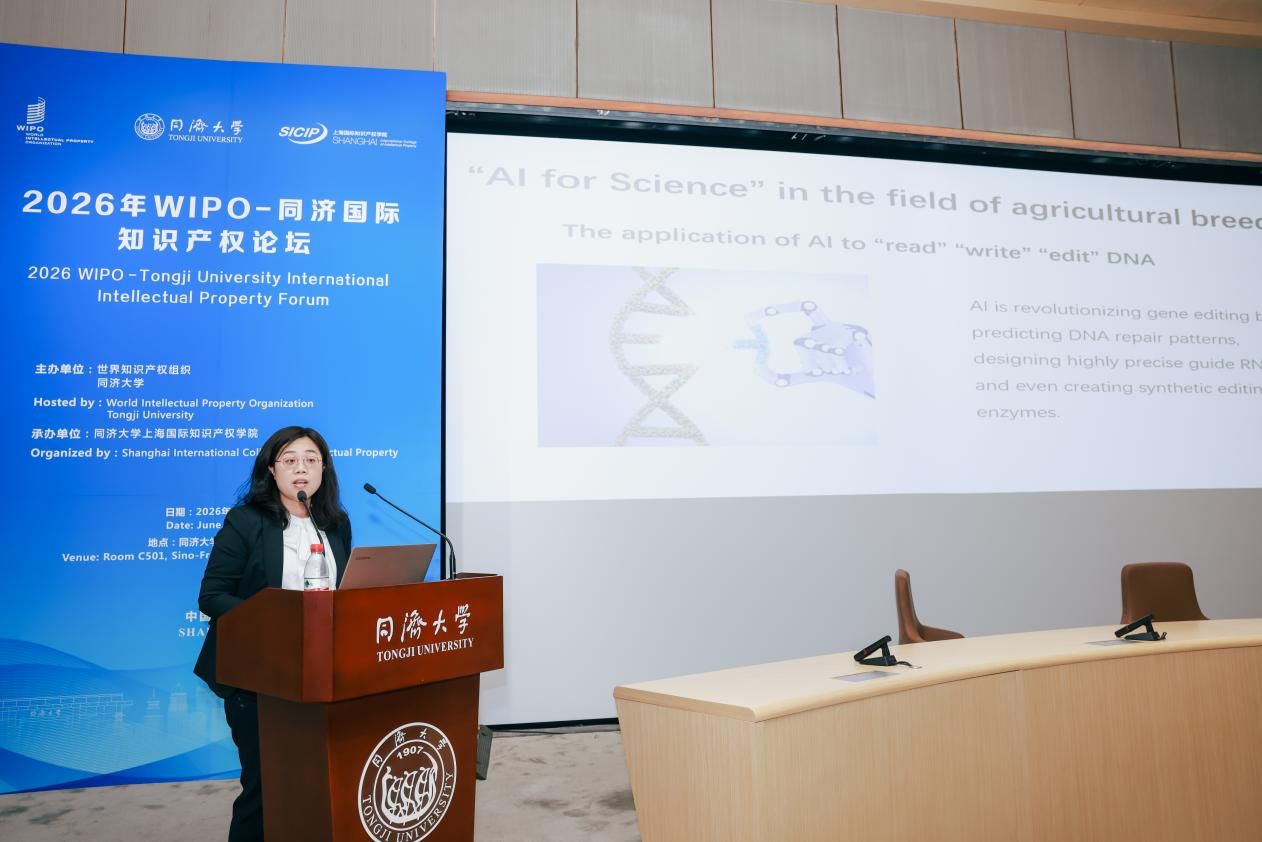
Associate Professor Jiang Li from the Shanghai International College of Intellectual Property elaborated on patent governance for precision-bred plants in the AI era.
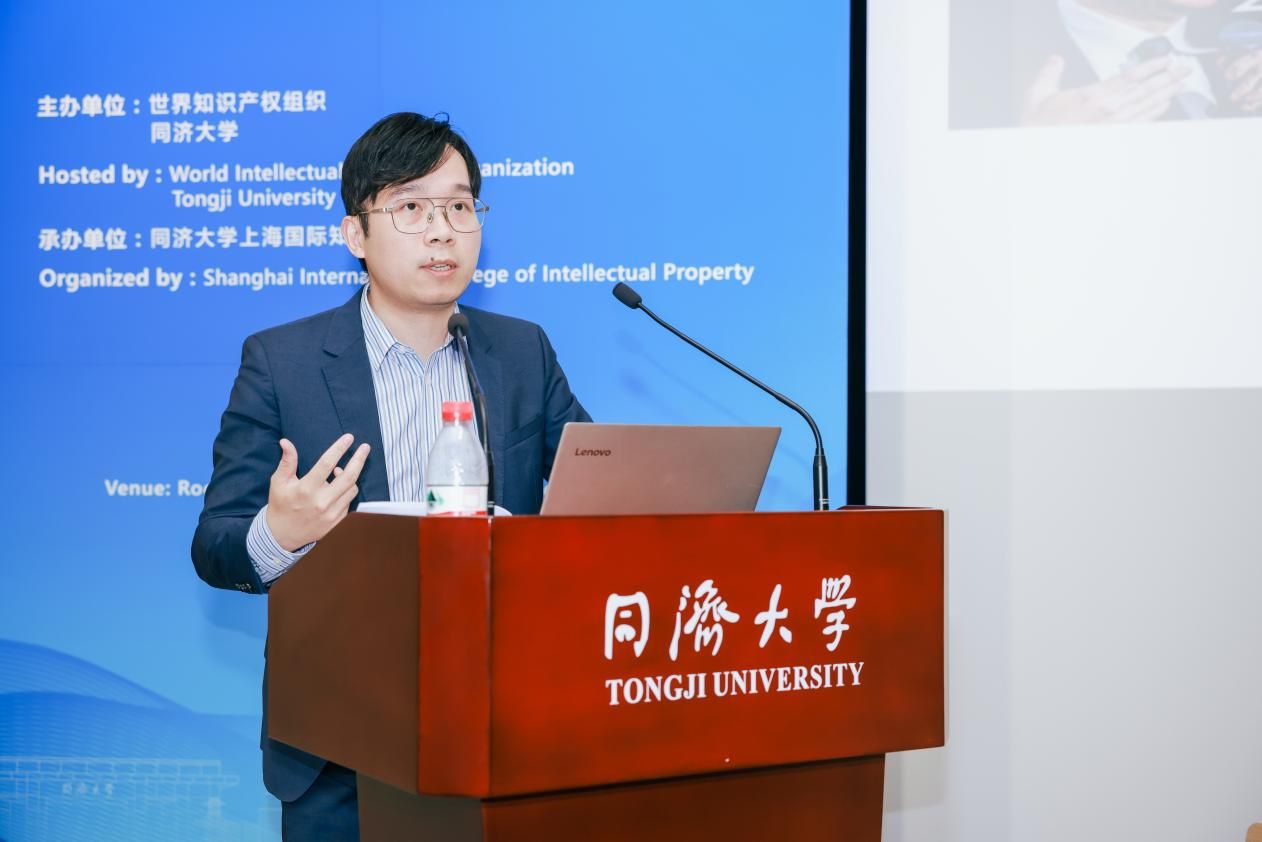
Associate Professor Chen Wangjie from the School of Intellectual Property, East China University of Political Science and Law, focused on copyright eligibility and rights allocation for content generated via brain-computer interfaces.
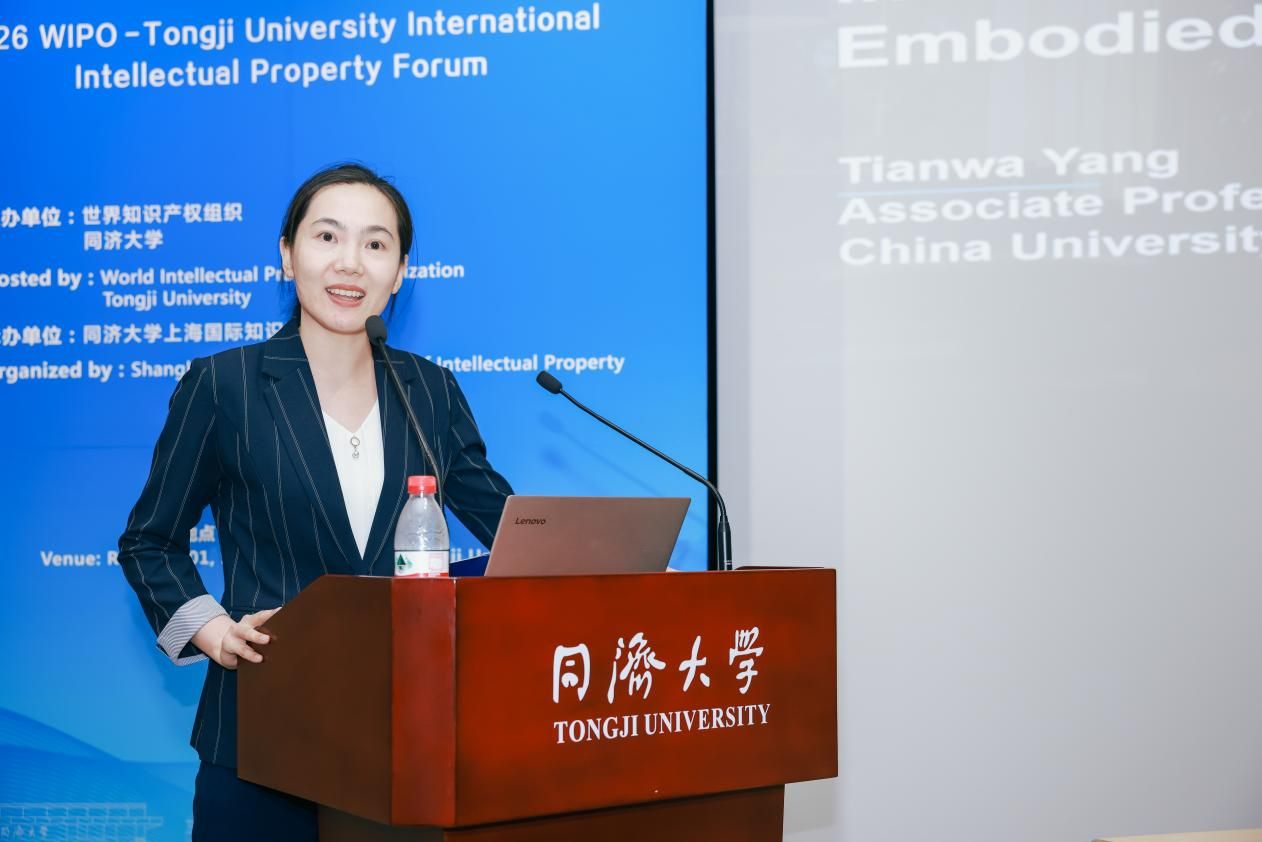
Research Fellow Yang Tianwa from the Center for Intellectual Property Innovation and Competition Studies at China University of Political Science and Law explored the boundaries of copyright protection in the age of embodied artificial intelligence.
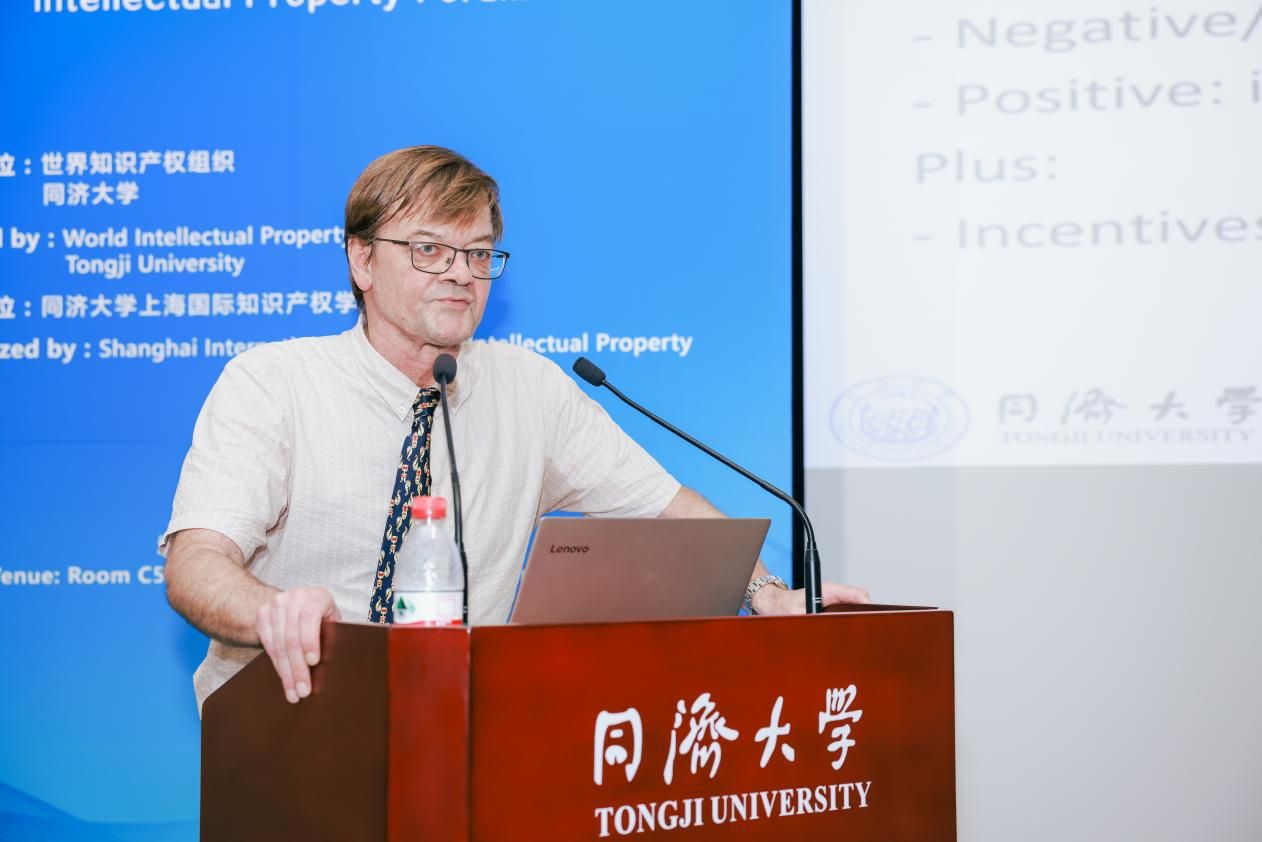
Research Fellow Peter Ganea from the Shanghai International College of Intellectual Property analyzed the functional boundaries of intellectual property in incentivizing green technological innovation.
Consolidating Academic Consensus to Advance Global Intellectual Property Governance
At the closing ceremony, Vice Dean Xie Yan of the Shanghai International College of Intellectual Property delivered a concluding address. She noted that centered on the core theme of intellectual property protection in emerging fields, the two panels covered the most cutting-edge frontiers of global intellectual property governance. The China-ROK intellectual property cooperation agreement reached concurrently with the forum also injected new momentum into coordinated international intellectual property governance.
The research outcomes of this forum will provide vital academic support for the improvement of intellectual property systems governing emerging sectors. The Shanghai International College of Intellectual Property, Tongji University will continue to build high-level international dialogue platforms, collaborating with global partners to align the intellectual property governance system with new demands of the intelligent era and green development.




