From June 30 to July 1, 2025, the 8th WIPO–Tongji International Intellectual Property Forum, jointly organized by the World Intellectual Property Organization (WIPO) and Tongji University, and hosted by the Shanghai International College of Intellectual Property of Tongji University together with the Lingang New Area IP Teaching and Research Center, was successfully held in Shanghai.
With the theme “Intellectual Property and Creative Industries”, the forum attracted more than 100 participants, including global IP experts, scholars, young researchers, and industry representatives, who gathered to explore new pathways for the integrated development of IP and creative industries in the digital economy era.
On June 30, the forum opened at the Lingang Digital Tower. Victor OWADE, Academic Institutions and Executive Programs Advisor of the WIPO Academy; Dang Jianwei, Vice Dean (in full charge) of the Shanghai International College of Intellectual Property of Tongji University; attended the opening ceremony and delivered speeches.
The opening ceremony was hosted by Xie Yan, Vice Dean of the Shanghai International College of Intellectual Property of Tongji University.
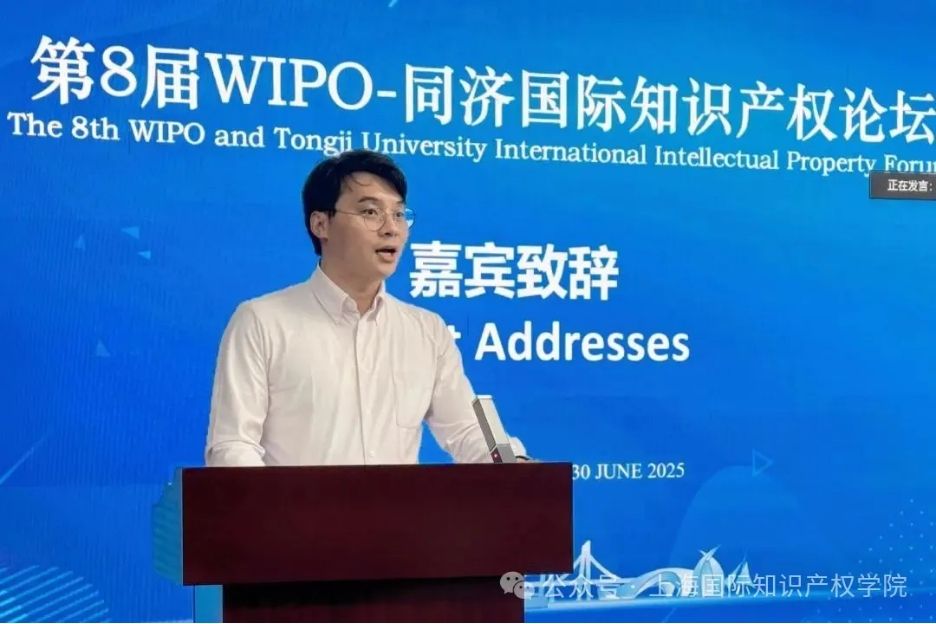
Dang Jianwei
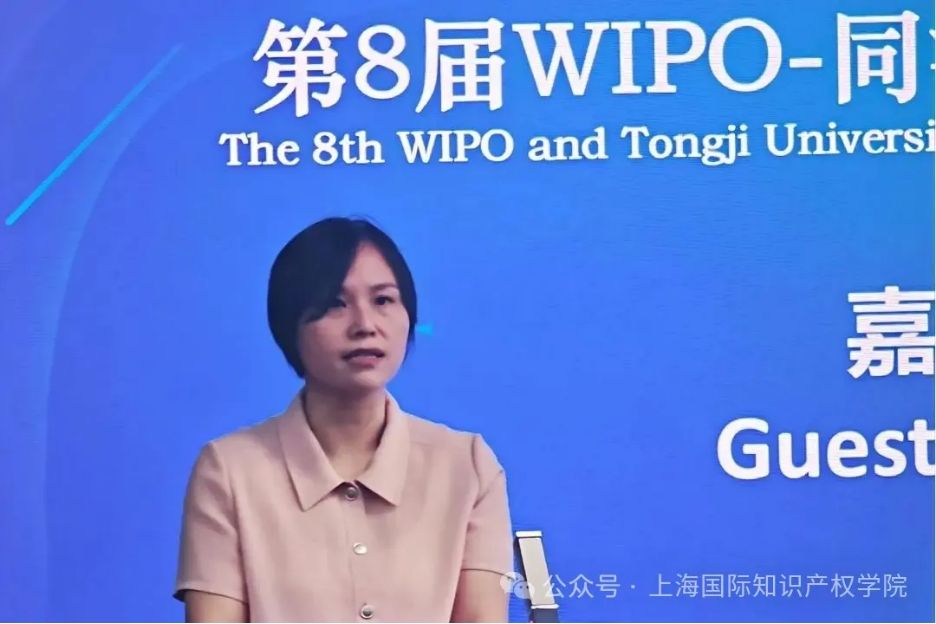
Xie Yan

Victor OWADE
The forum consisted of three parts: Keynote Speeches, Young Scholars’ Presentations, and Student Presentations.
During the keynote session, distinguished speakers from multiple WIPO departments shared valuable insights:
· Dimiter GANTCHEV, Deputy Director of the WIPO Copyright and Creative Industries Sector, delivered a talk titled “Creative Economy Outlook”, analyzing the central role of intellectual property in the global knowledge economy. Using comprehensive data, he highlighted the significant contribution of creative industries to GDP in developed countries, showcasing the value of creative industry IP from a macro perspective.
· Sherine GREISS, Senior Program Officer of the WIPO Development Cooperation Division, spoke on “Building Copyright Awareness in the Creative Industries”. She emphasized the need for developing countries to strengthen copyright ecosystems through international cooperation and shared numerous achievements from WIPO–China collaborations.
· Michel ALLAIN, Senior Manager of the Collective Rights Management Section of the WIPO Copyright Management Division, offered a practical perspective with the music industry as an example, analyzing the new challenges and opportunities for collective rights management in the streaming era.
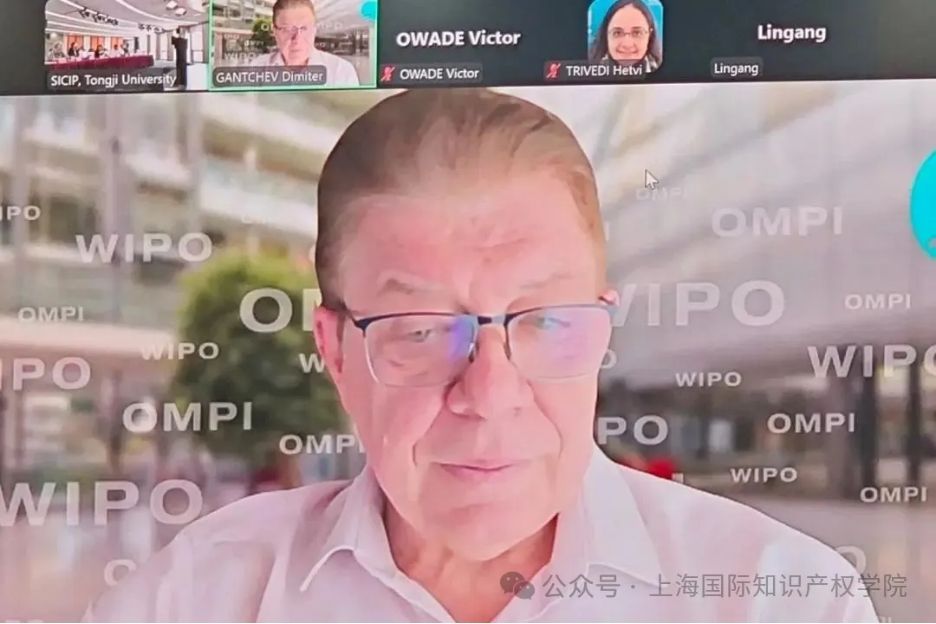
Dimiter GANTCHEV
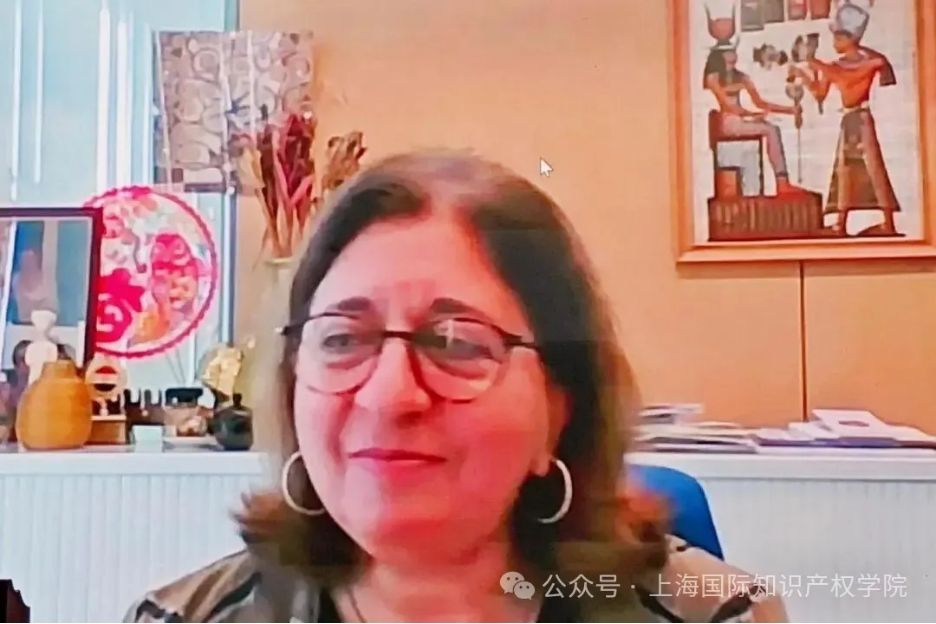
Sherine GREISS
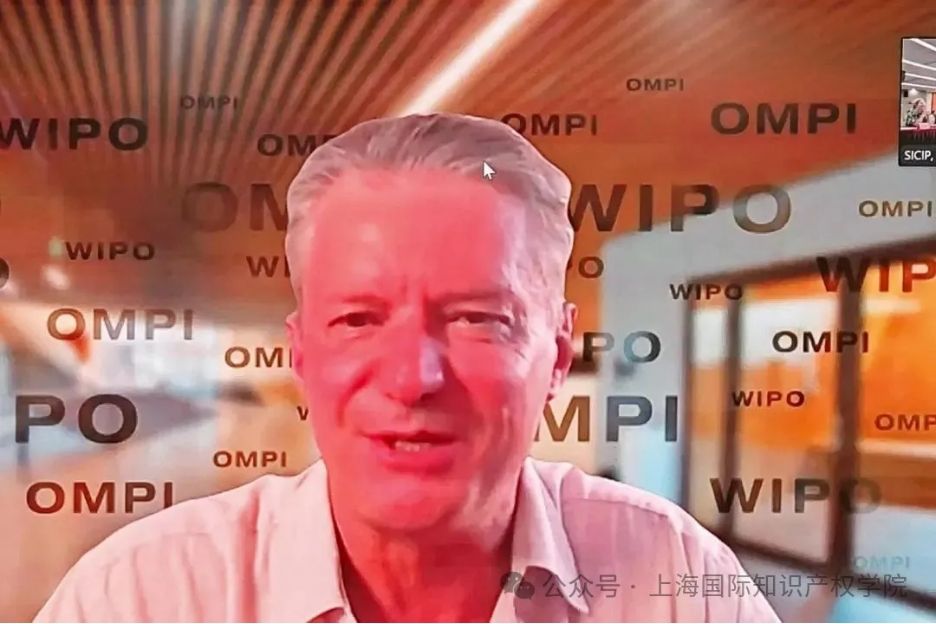
Michel ALLAIN
The Young Scholars’ Presentations session was chaired by Chen Li, Distinguished Research Fellow of the Shanghai International College of Intellectual Property of Tongji University. Scholars from various universities shared cutting-edge research:
· Hua Jie, Tenured Associate Professor at the Shanghai International College of Intellectual Property of Tongji University, analyzed copyright disputes in China’s online game livestreaming industry and proposed constructive solutions for balancing rights.
· Zhou Hongtao, Professor at the University of Macau, discussed the importance of fostering an IP culture that respects originality from the perspective of artistic creation, and elaborated on how to identify and prevent IP infringement in the context of new technologies.
· Anna Pokrovskaya, Assistant Researcher at RUDN University, conducted an interdisciplinary exploration of the boundaries of “fair use” in remix culture.
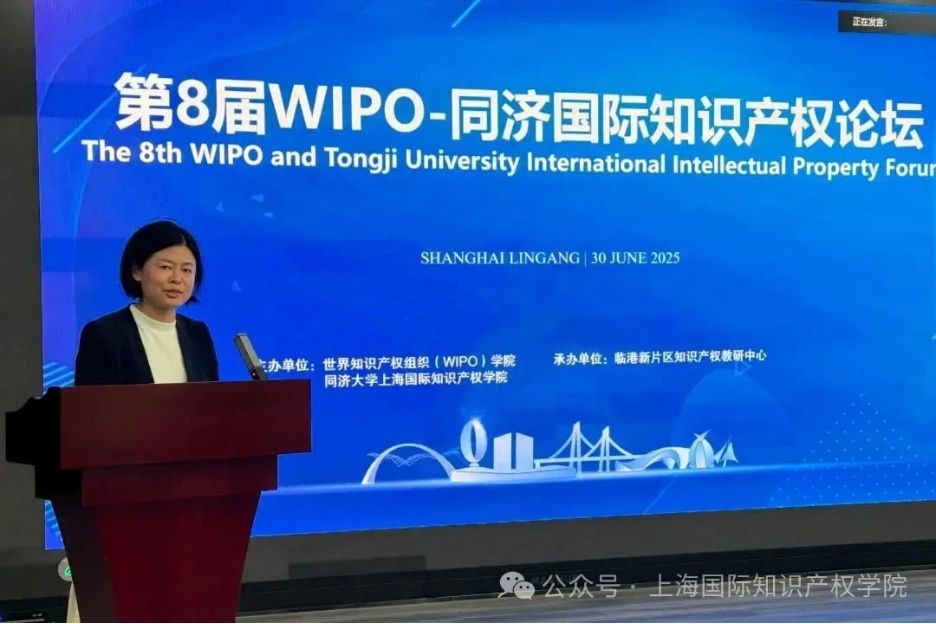
Chen Li
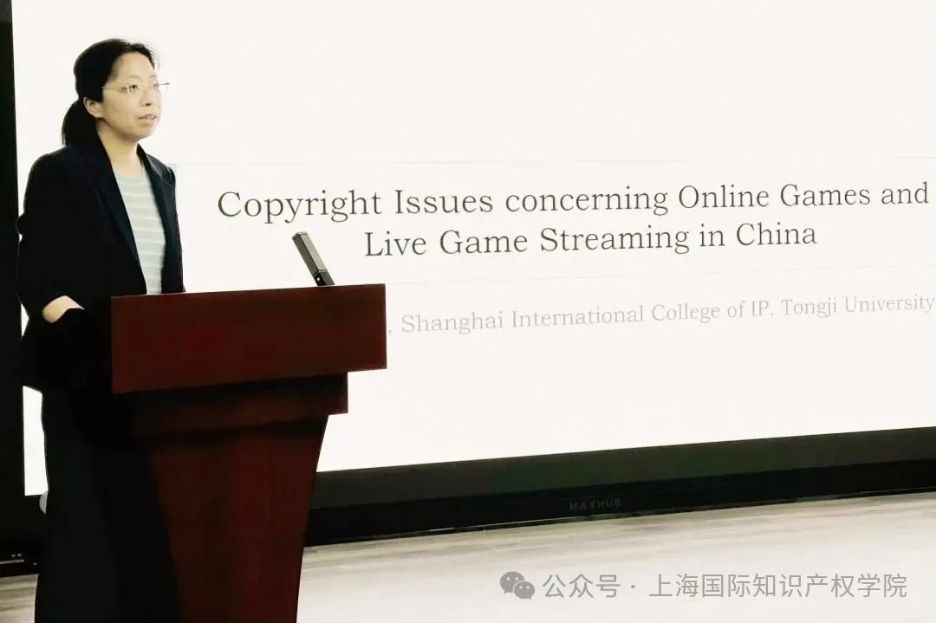
Hua Jie
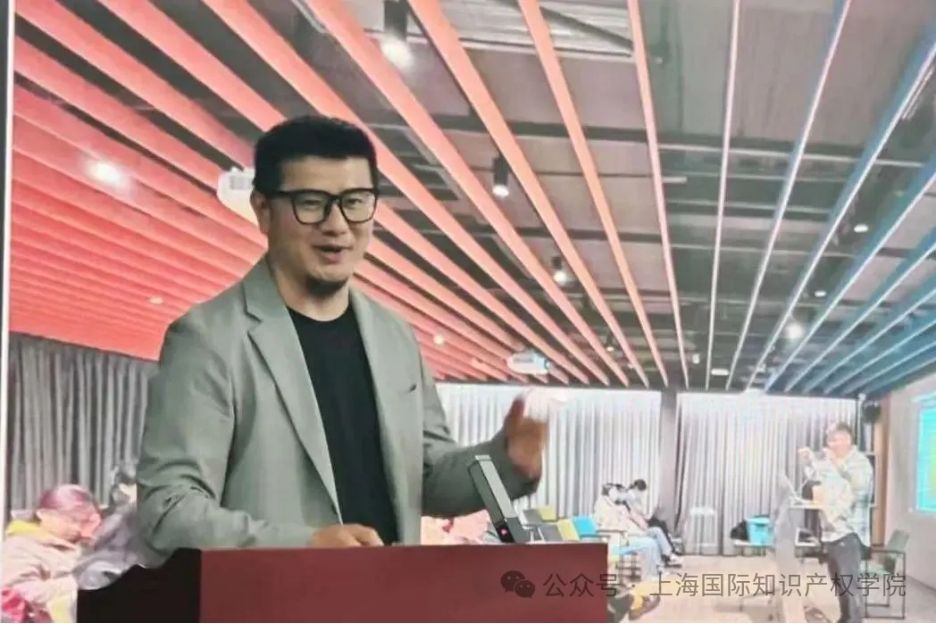
Zhou Hongtao
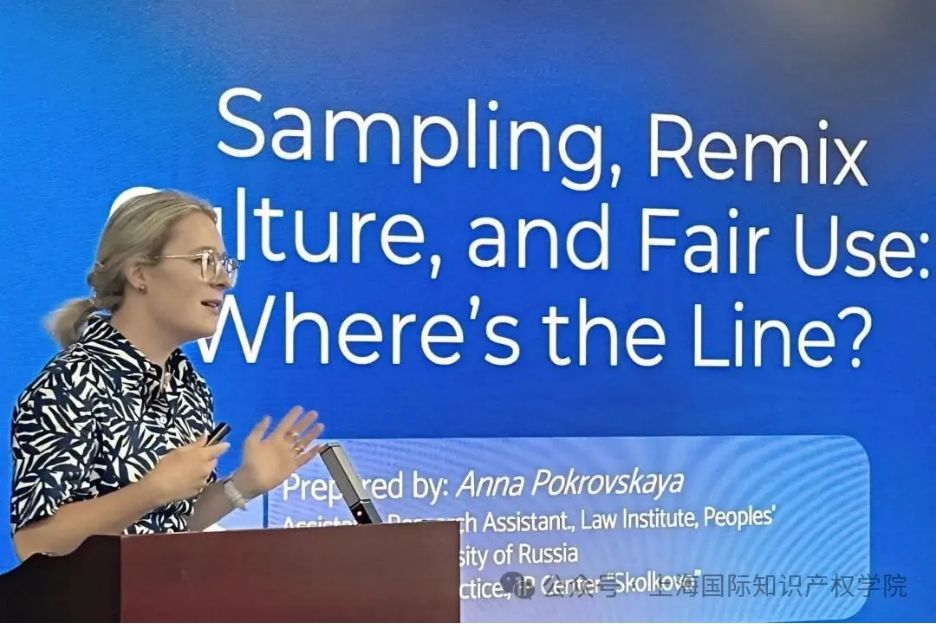
Anna Pokrovskaya
Participants also visited the Lingang Branch of the Shanghai Intellectual Property Protection Center for an on-site inspection. Through detailed explanations and live demonstrations, they gained insights into Lingang’s innovative practices in rapid IP examination, rights protection assistance, and achievement transformation—experiencing firsthand the “Lingang speed” and “Lingang model” of IP protection in China.
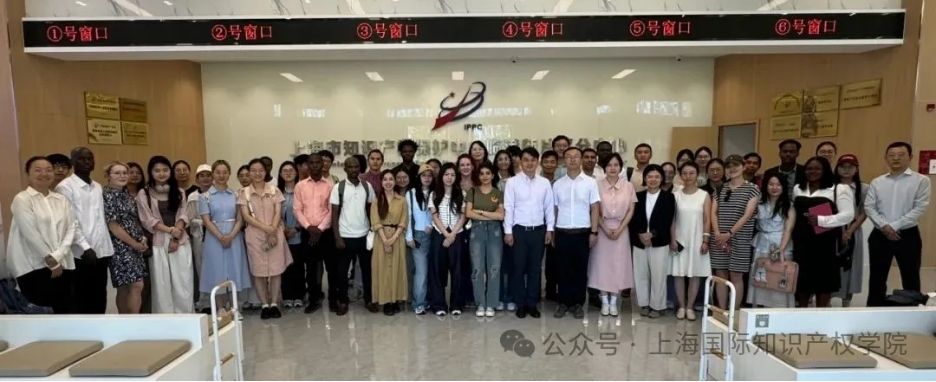
On July 1, the student presentation session continued at the Shanghai International College of Intellectual Property of Tongji University. Chinese and international students discussed key topics such as “New Paradigms of IP Governance in the Digital Economy”, demonstrating fresh perspectives and innovative thinking among young IP researchers.
This forum, through the combined efforts of international organizations, universities, and industry, provided valuable theoretical insights and practical inspiration for global IP governance and the development of creative industries. Participants expressed their hope for more high-level exchange platforms in the future to jointly promote innovative progress in the field of intellectual property.




